Lenovo Legion R27Qe Gen 2 vs Keychron Q12 He: Which Should You Buy?
Introduction
I've been using both the Lenovo Legion R27Qe Gen 2 monitor and the Keychron Q12 He keyboard for about five months as part of a single desktop setup. They serve very different purposes — one is a 27-inch display geared toward gaming and content work, the other is a compact mechanical keyboard focused on typing feel and customization — but I wanted to test them together to see how each affects daily productivity, creative work, and gaming. In my experience, the choice between them isn't an either/or in the abstract; it's about which upgrade matters to your workflow and what trade-offs you're willing to accept.
How I tested them
My testing routine was practical and simple: I used the Legion monitor as my primary display for office work, photo editing, and competitive and casual gaming sessions. The Keychron Q12 He was my daily driver keyboard for writing, coding, and several-hour typing sessions. For gaming I played a mix of multiplayer shooters and single-player titles; for productivity I edited photos and long-form documents, switching between relaxed, color-focused work and fast-paced tasks. I also spent time tweaking settings, swapping keycaps and switches on the keyboard, and calibrating the monitor's color profile.
Lenovo Legion R27Qe Gen 2 — Detailed review
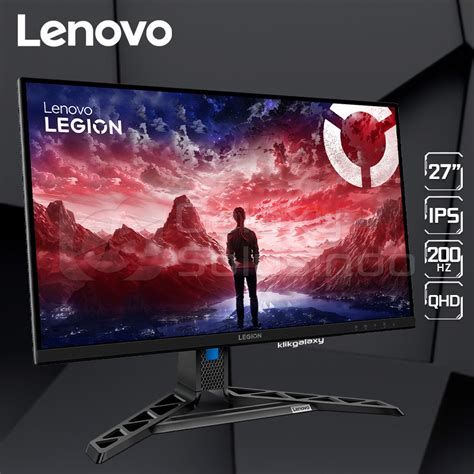
First, the monitor. Out of the box, the Legion R27Qe Gen 2 felt solid and purposeful. The 27-inch QHD panel (my unit was set to 2560×1440) hits a sweet spot for me: enough pixels for sharp text and workspace without forcing UI scaling. The panel delivered punchy colors and good contrast for everyday use. What I appreciated immediately was how smooth motion felt when I cranked the refresh rate above a standard 60Hz — desktop scrolling, window dragging, and games all felt noticeably more fluid.
Color and calibration were decent without extensive fiddling. For photo editing I ran a short calibration pass with a consumer colorimeter and found the monitor tracked sRGB well; there were no dramatic color casts. The out-of-the-box picture preset leaned slightly toward vivid, which I liked for games but adjusted down for color-critical work. The monitor's HDR performance is modest — it adds a bit of dynamic pop in supported content but doesn't compare to high-end HDR displays with local dimming.
Ergonomics: the stand allowed for height, tilt, and a reasonable amount of swivel. I liked that it gave me a comfortable eye level without needing third-party risers. The built-in on-screen display (OSD) is straightforward; menus are responsive and the quick presets are useful for switching between gaming, movie, and reading modes. The monitor also includes decent port selection for peripherals — I used DisplayPort for high refresh rates and an HDMI input for a second device.
Speakers: they're there, but nothing special. I used them for video calls and basic audio; for music and gaming I prefer dedicated speakers or headphones. One thing that bothered me early on was that the monitor's default blue-light reduction mode made whites look a little yellow; it's an easy toggle, but I scanned manuals and forums to make sure I wasn't missing a better default profile.
What I found surprising was how much a display like this changed my perception of snappiness. When I returned to a 60Hz laptop screen, animations and cursor movement felt sluggish by comparison. If your daily workflow involves lots of UI motion, a higher refresh rate on a QHD panel is a worthwhile uplift.
Find top-rated Laptops & Computers products at great prices.
Shop Amazon →Lenovo Legion R27Qe Gen 2 — Pros & Cons
- Pros: Crisp QHD panel that balances resolution and performance; smooth motion at higher refresh rates; good out-of-the-box vibrancy for gaming; practical stand and OSD controls.
- Cons: HDR is modest and not transformative; built-in speakers are basic; default color presets can be overly vivid for color-critical work; some menu options felt buried.
Keychron Q12 He — Detailed review
Switching gears to the Keychron Q12 He: this is a compact, well-built mechanical keyboard that I used daily for months. The Q-series from Keychron tends to emphasize a premium, customizable typing experience, and the Q12 He follows that philosophy. My unit came set up with a comfortable tactile feel out of the box, but I spent a weekend swapping switches and experimenting with different keycaps and dampening foam — the keyboard responded well to those mods, which is something I look for when I plan to keep hardware for years.
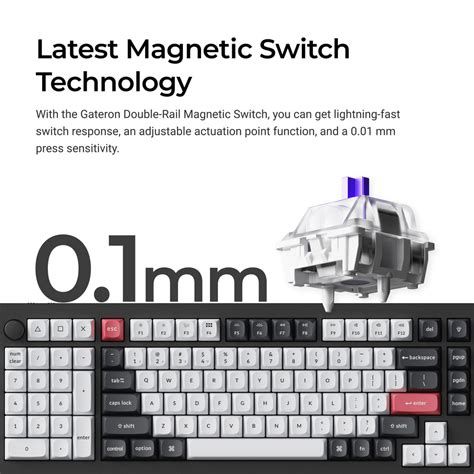
Typing experience: this is where the Q12 He shines. The board has a satisfying sonic signature once you tune stabilizers and add a little foam under the plate. Typing long documents felt less fatiguing than my laptop keyboard, and I noticed fewer mistyped keys after spending a week with it. The compact layout saved desk space while retaining arrow keys and a small cluster of navigation keys — things I actually miss on 60% boards.
Build quality felt premium: a heavy metal case that sits solid on the desk, nice keycaps that don't show wear quickly, and hot-swap sockets that made experimenting painless. In my experience, the hot-swap implementation handled the switches I tried without any hiccups. I also liked that the Q12 He has straightforward firmware support for basic remapping; deep macro programming exists but is more cumbersome and not as slick as some boutique firmware ecosystems.
Connectivity and battery: my variant was wired (which I preferred for zero-lag typing and gaming), but Keychron often offers wireless options in other models. If wireless is a priority for you, check the exact spec of the unit you buy because battery life and latency vary between wired and wireless variants. One thing I noticed was that heavy typing sessions generate a warmth in the board due to its dense metal case — not a problem, but something I hadn't expected.
What I found frustrating at first were the stabilizers. Out of the box, they had some rattle that required a little lube and tightening. That felt like an unnecessary step for a keyboard at this price point, but after I sorted the stabilizers the sound and feel improved noticeably.
Keychron Q12 He — Pros & Cons
- Pros: Excellent typing feel after basic tuning; solid, attractive build; hot-swap support makes customization easy; compact layout that retains useful keys.
- Cons: Stabilizers need tweaking out of the box; firmware and macro programming are a touch clunky; if you need wireless, verify the exact model for battery details.
Side-by-side comparison
These products don't compete directly — one is a monitor and the other a keyboard — so a "winner" depends on what problem you're solving. Still, comparing key attributes helps decide which upgrade to prioritize.
| Attribute | Lenovo Legion R27Qe Gen 2 | Keychron Q12 He |
|---|---|---|
| Primary purpose | Display for gaming, productivity, and media | Primary input device for typing and shortcuts |
| Build quality | Sturdy monitor with practical stand | Heavy metal case, premium feel |
| Customization | Limited to OSD and presets | High — hot-swap switches, keycaps, sound mods |
| Out-of-the-box experience | Good color and motion, vivid preset | Great typing feel after minor stabilizer tuning |
| Ideal for | Gamers and content creators wanting smoother motion and better workspace | Writers, programmers, and keyboard enthusiasts seeking a premium typing feel |
| Who should buy first | If your visual workspace is limiting your productivity or gaming experience | If typing comfort and long-term customization are your priority |
Buying guide — which should you buy?
When I consider which component to upgrade first in a setup, I think about the daily impact. A monitor changes everything you see; a keyboard changes everything you type. Here's how I break it down based on the people I've been helping and my experience using both.
Looking for the best Laptops & Computers deals on Amazon?
View Offers →If you want a single, high-impact upgrade
- Choose the monitor (Lenovo Legion R27Qe Gen 2) if you spend most of your time reading, editing documents, creating visual content, or gaming. I noticed the biggest jump in perceived performance when I upgraded the display: text is clearer, multi-window layouts feel less cramped, and games feel smoother. If your current screen is small, low-resolution, or capped at 60Hz, the Legion will provide an immediately noticeable improvement in daily comfort and immersion.
- Choose the keyboard (Keychron Q12 He) if you type for many hours a day, care deeply about feel, or enjoy customizing hardware. The Q12 He improved my typing accuracy and made long writing sessions less tiring. If your current keyboard is mushy, cramped, or non-mechanical, switching to a well-built mechanical board can drastically change your relationship with your desk.
If you have a limited budget
Decide by pain point. If your eyes are fatigued or your work requires precise color, prioritize the monitor. If you find yourself cringing at the keyboard every hour, prioritize the Keychron. I personally found the cost-per-hour benefit higher with the keyboard when my main complaint was typing fatigue, but the monitor paid dividends when I moved into video and photo editing.
When you should buy both
If your budget allows, both are complementary. I reached a very comfortable, productive state after upgrading the monitor and the keyboard. The monitor gave me the space and clarity, and the keyboard made interaction pleasurable and efficient. Combined, they reduced friction: I spent less time fighting legibility or a poor typing surface and more time doing meaningful work.
Other practical considerations
- Desk space: A 27-inch monitor needs room. If you have a compact desk, measure before you buy. The Q12 He, being compact, saved me space and left more room for mouse movement.
- Peripherals chain: If you use wireless peripherals extensively, check compatibility. I preferred the wired keyboard for consistency, while the monitor worked well with both a desktop GPU and a laptop via DisplayPort.
- Future upgrades: The Keychron's hot-swap friendliness makes it a long-term investment for modders. The monitor is a more traditional hardware upgrade — you'll likely replace it when you want higher resolution, better HDR, or different form factors.
Final thoughts and recommendation
After five months with both devices, here's how I would summarize my personal recommendation: if you must pick one, choose based on where you feel the most friction right now. I noticed a dramatic improvement in daily satisfaction from the monitor when I came from a dull, slow laptop display. The Legion R27Qe Gen 2 turned the whole visual experience from "tolerable" to "enjoyable." On the flip side, the Keychron Q12 He turned typing from a necessary chore into something I actually looked forward to — it made long writing and coding sessions noticeably easier and more accurate, once I tuned the stabilizers.
In my experience, the monitor delivers the biggest immediate visual impact, while the keyboard offers the highest ongoing comfort payoff per hour spent at the desk. If you're building a lasting setup, both are worth considering: the Legion as the visual foundation, and the Q12 He as the tactile interface that you use every minute. For me, buying both was the right decision because they attack different sources of friction — one in what I see, the other in what I do.
Ultimately, what you should buy depends on whether you want to improve the way things look or the way you interact with them. From my months of use, I can honestly say both products have definite strengths and only a few annoyances, and either one can make your desk life better depending on your priorities.