Redragon Galatin Pro K719 Specs, Features, and Value: Is it worth the price tag?
Introduction
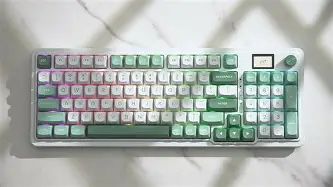
The Redragon Galatin Pro K719 is a compact, feature-packed mechanical keyboard that aims to bridge the gap between enthusiast-oriented design and mainstream affordability. Released with a 95/96% layout, gasket-mounted construction, hot-swappable switches, per-key RGB, a small full‑color TFT screen and tri-mode connectivity (USB-C, Bluetooth, 2.4 GHz), the K719 targets users who want more than a basic office board without committing to premium boutique prices. This review walks through the K719’s specifications, real-world use behavior, strengths and weaknesses, and how it compares to other keyboard form factors. It also offers a concise buying guide for typical buyers and concludes with a verdict on value.
Detailed product review and analysis
Design and layout
The Galatin Pro K719 uses a 95/96% layout (often advertised as 95-key), which keeps a compact footprint while retaining a numeric keypad and the cluster of navigation keys users expect from a full-size keyboard. This layout appeals to those who want number pad functionality without the full desk real estate of a standard 104-key board. The board is available in distinctive dual-tone colorways with a detachable USB-C cable and an aluminum-look or plastic top plate depending on the SKU.
Switches, hot-swap, and keycaps
Redragon ships the K719 with its own “Mint Mambo” linear switches—pre-lubed and designed to feel smooth and relatively quiet out of the box. Crucially, the K719 is hot-swappable and supports both 3‑pin and 5‑pin MX-compatible switches, giving users a straightforward upgrade path. Keycaps are OEM-profile PBT, which resist shine and provide a more textured typing surface than ABS. PBT caps combined with doubleshot or dye-sublimated legends provide longevity and cleaner RGB shine-through.
Mounting, acoustics, and build quality
The keyboard employs a gasket-mount construction with multiple internal dampening layers (PORON and other foams are commonly used in this model) to control hollowness and produce a more muted, “thocky” sound signature. Those layers, combined with a silicone or foam-damped plate and a flexible case, tend to give typing a cushioned feel compared to tray-mounted keyboards. The overall construction balances lightweight portability (~1.1–1.2 kg depending on configuration) with a premium feel for a mid-range price point.
Connectivity and battery life
Tri-mode connectivity is one of the K719’s most practical features: wired USB-C for zero-latency use, Bluetooth 5.0 for multi-device convenience, and a 2.4 GHz wireless dongle for lower-latency wireless gaming. A 4000 mAh battery is specified for wireless use; real-world battery life depends heavily on backlight brightness and whether the TFT screen is used actively, but the capacity should be adequate for days of mixed use at moderate brightness. Switching between modes is done with dedicated key combinations on-board, which suits users who move between a laptop, tablet and desktop during the day.
Onboard controls and TFT display
A 1.14-inch full-color TFT “info island” on the Galatin Pro displays system information such as battery percentage, connection mode, and can show custom GIFs or images via the companion software. A multi-function rotary knob provides quick access to volume and can be mapped to other functions. These features differentiate the K719 from many competitors in the same price band, offering a more modern, gadget-focused user experience.
RGB, software, and customization
Per-key RGB is standard and can be customized through Redragon’s Windows software for lighting zones, macros and knob behavior. The software enables profile storage and extended customization, though macOS support is typically more limited—sufficient for basic remapping but not always for advanced lighting or display uploads. Onboard profiles can store several lighting setups and macros for use without software once configured.
Typing and gaming performance
For typists, the combination of PBT keycaps, gasket mount, and pre-lubed linear switches makes the K719 comfortable for long sessions. Typing feedback is on the softer side compared with stiffer plate-mounted boards; fans of a tactile “snap” may find it less satisfying, whereas those who prefer quieter, smoother travel will appreciate the setup. For gaming, the board offers NKRO and anti-ghosting, and the 2.4 GHz dongle gives competitive wireless latency. The integrated knob and TFT add convenience for streamers and power users who like visual system cues and quick volume control.
Discover deals on Laptops & Computers — updated daily.
Shop Amazon →Real-world use cases
Several types of users will find the K719 compelling:
- Hybrid workers who need number pad access but want a smaller footprint than a full-size keyboard.
- Content creators and streamers who appreciate the TFT for quick status checks (battery, mode) and a rotation knob for on-the-fly adjustments.
- Keyboard hobbyists who want a hot-swap platform to test switches without buying a high-cost custom board.
- Gamers who use wireless setups but want to retain low-latency performance via a 2.4 GHz dongle.
It’s also a practical desktop board for students or professionals who value reliable wireless modes and a robust battery, as long as they accept a slightly bigger footprint than a 60–65% compact keyboard.
Pros & Cons
- Pros:
- Compact 95/96% layout retains number pad in a smaller footprint.
- Hot-swappable MX-compatible sockets—easy switch customization.
- Gasket mount with multi-layer dampening for pleasant acoustics and improved typing feel.
- Tri-mode connectivity (USB-C, Bluetooth, 2.4 GHz) with a large battery for long wireless use.
- Per-key RGB and a full-color TFT screen add functionality and flair.
- Multi-function rotary knob for quick media and lighting control.
- Cons:
- Software features are most complete on Windows; macOS users may encounter limitations.
- Pre-installed linear switches may not suit those who prefer tactile or clicky feedback.
- The TFT and RGB reduce battery life when used aggressively.
- Some rival boards offer similar mounting and hot-swap designs but with higher-grade plates or more premium materials at higher prices.
- Colorways and minor build differences across SKUs can make it hard to know exactly which materials (aluminum top vs plastic) are present without checking the specific model listing.
Quick comparison table
The table below compares the Galatin Pro K719 to two common keyboard categories: a typical compact 65% mechanical keyboard and a traditional full-size mechanical gaming keyboard. This helps frame where the K719 sits in terms of features and trade-offs.
| Feature | Redragon Galatin Pro K719 (95/96%) | Typical 65% Mechanical | Typical Full-Size Gaming Keyboard |
|---|---|---|---|
| Layout | 95/96% (compact numpad) | 65% (no numpad, smaller footprint) | Full-size (104 keys, largest footprint) |
| Connectivity | USB-C, Bluetooth, 2.4 GHz | USB-C, Bluetooth (some models) | USB wired (some wireless models) |
| Mounting & Acoustics | Gasket mount with multiple foam layers | Varies; some gasket/plateless options for premium models | Tray/plate mount, may include foam |
| Hot-swap | Yes (3/5-pin) | Common on enthusiast models | Less common on budget full-size models |
| Extra features | TFT display, knob, per-key RGB | Minimal extras to save space | Macro keys, media cluster, sometimes extra software features |
| Battery | ~4000 mAh (wireless use) | Smaller batteries if wireless | Large or none (depends on wired/wireless) |
| Best for | Users who want numpad + compact size + extras | Minimalists and portable setups | Users who want full layout and dedicated macro keys |
Buying guide: what to consider before purchasing
1. Layout and desk space
Consider whether a compact 95/96% layout suits your workflow. The K719 preserves the numpad, which is a major plus for spreadsheet-heavy work, accounting, or anyone who frequently types numbers. If desk space is extremely limited or the user prefers the smallest footprint for portability, a 60–65% board will be smaller, but it sacrifices single-stroke access to many navigation keys.
2. Switch type and hot-swap capability
Buyers should evaluate the included switches—linear Mint Mambo in the base configuration—and decide if they need tactile or clicky feedback instead. Because the K719 is hot-swappable, it’s a flexible option for future upgrades: swapping switches is straightforward and inexpensive compared with buying a whole new keyboard.
3. Wired vs wireless workflows
Tri-mode support makes the K719 a good fit for users who connect to multiple devices or prefer wireless setups. However, if the priority is absolute minimum latency for competitive esports, wired USB-C or a low-latency 2.4 GHz dongle should be used. Assess the battery capacity needs—heavy RGB and TFT usage shorten wireless runtime.
4. Sound and typing feel
The gasket mount and foam layers on the K719 create a softer, less reverberant acoustical profile. This appeals to typists who prefer a cushioned feel and a quieter home or shared workspace. Those who enjoy a hard, crisp feedback (“clack” or “click”) may want to either change switches or look at alternative mounting styles.
5. Software and customization
Check the platform the user primarily uses. Redragon’s software is more complete on Windows, offering full access to the TFT, lighting, and macro options. macOS users should verify that the features they care about are supported before buying.
Shop the latest Laptops & Computers picks on Amazon.
Shop Amazon →6. Durability and materials
PBT keycaps and hot-swap sockets contribute to long-term value, but buyers should confirm the exact SKU materials (some batches or colorways may use different top plates). Warranty and support policies are also important; verify after-sales support in the buyer’s region.
7. Price and alternatives
Compare the K719 to similarly equipped keyboards in the same price band. If the TFT screen and knob are important, the K719 remains competitive. If a buyer prioritizes a premium metal top plate or boutique switch options pre-installed, other higher-cost options exist. Because of hot-swap capability, the K719 can be a good value for those who plan iterative upgrades.
Who should buy the Redragon Galatin Pro K719?
The Galatin Pro is well suited for users who want a feature-rich keyboard without paying boutique prices: hybrid workers who still need a numpad, content creators and streamers who appreciate a small display and physical knob, and hobbyists who want a hot-swap platform for experimenting with switches. It also appeals to gamers who want flexible wireless options and NKRO for reliable in-game input.
It is less ideal for buyers who want a tactile or clicky factory feel, those who need full macOS-level software parity for advanced customizations, or users who want the absolute lightest, most portable board without number keys.
Conclusion
The Redragon Galatin Pro K719 offers an attractive mix of practical features—95/96% compact layout with a numpad, hot-swap support, gasket mounting, tri-mode wireless, per-key RGB and a small TFT display—making it a compelling option for buyers who want utility and customization without stepping into boutique price territory. Real-world performance is solid: comfortable typing, effective foam dampening, and wireless flexibility are real strengths. Trade-offs include software limitations on macOS, potential battery drain when using the display and lights aggressively, and the inherent choice of linear switches out of the box.
For most users who want a balanced, modern keyboard with room to customize over time, the K719 represents strong value. Those with highly specific preferences (for example, tactile factory switches or a metal unibody plate) should compare the K719 against a few premium alternatives, but the board’s combination of hot-swap ease, built-in TFT, and multi-mode wireless makes it a noteworthy contender in the mid-range mechanical keyboard market.