Stop Wasting Money: Here Are the Only 5 Audio You Should Actually Consider
Introduction
The consumer audio market is crowded and loud — literally and metaphorically. New models arrive every month, each promising "studio" clarity, "next-level" bass, or impossible battery life. For most buyers, that noise makes it hard to separate meaningful choices from marketing. This article cuts through the clutter and focuses on five products that cover the most common, real-world needs without forcing buyers to chase every shiny spec. Each pick is chosen for balance: sound quality for its category, real-world usability, build quality, and long-term value.
The five audio products reviewed below — Amiron Wireless, Juniorjams Wireless, Soundbuds Curve Upgraded 2019, Aeon 2 Noire Over Ear, and G733 Lightspeed Wireless — collectively address commuting and travel, family use, workouts, critical listening, and gaming. For each product the analysis highlights what it does well, common buyer concerns, and the trade-offs to expect.
The Five Recommended Choices
Amiron Wireless
Amiron Wireless is an over-ear Bluetooth headphone that targets listeners who want near-audiophile sound without the hassle of wires everywhere. It’s built with comfort and long listening sessions in mind, offering plush ear pads, robust construction, and a sound signature that favors natural mids and controlled bass. The Amiron suits people who split time between commuting, office work, and at-home listening and who value a fuller, less fatiguing tonal balance than typical V-shaped consumer headphones.
Real-world use cases: daily commuting with noise reduction from passive isolation, long office or study sessions, and at-home relaxation when a reliable wireless connection is desired. Buyers who value comfortable memory-foam pads, easy pairing and stable codecs will find this a practical choice.
Pros & Cons
- Pros: Comfortable for long wear; warm, natural presentation; solid wireless performance for streaming and calls; durable build and user-replaceable parts.
- Cons: Larger footprint for travel; not tuned for extreme bass lovers; premium sound demands a good source for best results.
Juniorjams Wireless
Juniorjams Wireless is aimed squarely at families and younger listeners. It prioritizes safety, durability and simplicity: easy-to-use controls, volume-limiting to protect hearing, and a rugged build that survives backpacks and playground use. Parents appreciate the straightforward pairing and the fact that this type of headphone usually supports wired fallback for airplane seatbacks or older devices.
Real-world use cases: classrooms and remote learning, long car rides, holiday travel with kids, and any situation where a low-maintenance, low-risk headphone is needed. Buyers typically care about reliable volume limiting, washable or wipeable materials, clear voice playback for children's programming, and a stable wireless connection without complex settings.
Pros & Cons
- Pros: Built for kids with volume-limiting safety; robust and easy to clean; simple controls and good battery life for family use.
- Cons: Simplified feature set (fewer advanced codecs and audio tweaks); smaller drivers limit dynamic range compared with adult audiophile options.
Soundbuds Curve Upgraded 2019
The Soundbuds Curve (Upgraded 2019) is an in-ear, neckband-style set designed for active users who need secure fit and weather resistance. It focuses on dependable performance during runs, gym sessions, and commutes: sweat resistance, secure ear hooks, and a bias toward punchy low-end that makes workouts feel energetic. It’s a practical choice for buyers who want a no-fuss, rugged earbud with predictable battery life and quick recharge behavior.
Real-world use cases: HIIT, running, commuting in variable weather, and anyone who wants earbuds that stay put while moving. Buyers often prioritize IPX water resistance, reliable Bluetooth reconnection, and a secure seal that lets the earbuds deliver satisfying bass without sacrificing comfort.
Shop the latest Audio & Headphones picks on Amazon.
Shop Amazon →Pros & Cons
- Pros: Secure fit for active use; sweat and water resistance; solid bass for workouts; simple controls and reliable pairing.
- Cons: In-ear fatigue for some users over long sessions; not intended for audiophile listening or fine detail work.
Aeon 2 Noire Over Ear
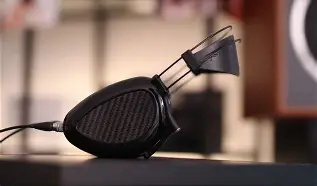
Aeon 2 Noire is a premium over-ear headphone built for serious listeners and enthusiasts who treat sound reproduction with near-studio intent. Typically a planar-magnetic design, it delivers precision, low distortion and an articulate midrange that benefits acoustic music, vocalists, and critical listening. This model is best used in quieter environments where the listener can appreciate imaging, transient response and overall neutrality.
Real-world use cases: desktop listening with a dedicated DAC/amp, mixing and reference listening, home studio use, and anyone who wants a long-term, non-compromising wired headphone. Buyers care about planar vs dynamic drivers, ease of driving (power needs), cable quality, and whether the headphone fits a particular setup (amps, DACs, headphone jacks).
Pros & Cons
- Pros: Detailed, neutral presentation; excellent clarity and low distortion; premium materials and comfort for extended sessions.
- Cons: Not wireless — requires a good source or amp for best results; less suited to noisy commutes or flights; higher upfront cost for the category.
G733 Lightspeed Wireless
G733 Lightspeed Wireless is a gaming-focused headset designed for long sessions in front of a PC or console. It blends lightweight construction, a boom mic tuned for speech, and low-latency wireless to make voice chat and competitive play feel reliable. The headset also includes customization touches like RGB accents and memory-foam ear pads designed to reduce pressure over time.
Real-world use cases: multiplayer gaming, streaming, long creative sessions, and remote meetings. Buyers often care about microphone quality, comfort during marathon sessions, low latency for competitive gaming, and how well the headset integrates with their ecosystem (USB dongle, console compatibility, or universal Bluetooth).
Pros & Cons
- Pros: Comfortable and light for long play; low-latency Lightspeed connection; good mic clarity for voice chat; long battery life for day-long use.
- Cons: Sound tuning optimized for gaming rather than critical listening; RGB and cosmetic features may not add practical value; plastic build feels less premium than some competitors.
Comparison Table — At-a-Glance
| Product | Type | Best for | Connectivity | Battery / Power | Notable feature |
|---|---|---|---|---|---|
| Amiron Wireless | Over-ear (wireless + wired) | Commuting, long sessions, balanced listening | Bluetooth + wired option | Approx. long-life wireless (daylong use) | Comfort-forward design, natural sound |
| Juniorjams Wireless | On-ear (kids) | Children, classrooms, family travel | Bluetooth, usually wired fallback | Multi-hour battery suitable for kids' use | Volume limiting and rugged build |
| Soundbuds Curve Upgraded 2019 | In-ear neckband | Workouts, running, active use | Bluetooth | All-day battery in typical use | Sweat/water resistance and secure fit |
| Aeon 2 Noire Over Ear | Over-ear (wired, planar) | Critical listening, home studio | Wired (high-quality analog) | N/A — wired | Planar-magnetic precision and clarity |
| G733 Lightspeed Wireless | Over-ear (gaming) | Gaming, streaming, voice chat | USB Lightspeed wireless + Bluetooth | Long battery for extended sessions | Lightweight build and low-latency connection |
Detailed Buying Guide: How to Choose the Right One
Choosing audio gear is about matching the product to real-life needs. Below are the most impactful considerations buyers should use to evaluate any headphone or earbud.
1. Define primary use case
The single best predictor of satisfaction is use case. Commuters need passive isolation and long battery life; gym-goers need secure fit and water resistance; gamers prioritize low latency and microphone quality; home listeners may prefer wired precision. Identify the primary use before comparing specs.
2. Sound signature matters — but less than fit
Many buyers fixate on frequency graphs. In practice, comfort and seal (for in-ears) or clamp force (for over-ears) determine whether a product will be used daily. A headphone that sounds excellent on a shelf but hurts after 30 minutes will be abandoned. For sound, categorize: neutral (detail-oriented), warm (bass/mids forward), or V-shaped (bass/treble emphasized). Pick the signature that suits your library and listening habits.
Discover deals on Audio & Headphones — updated daily.
See Deals →3. Wired vs. wireless trade-offs
Wired options (like Aeon 2 Noire) generally give better consistency and lower latency, making them preferable for critical listening and studio tasks. Wireless convenience is unrivaled for commuting, workouts, and gaming (when low-latency modes are available). Consider whether streaming quality, codec support (AAC, aptX, LDAC), and battery charging habits fit the buyer’s lifestyle.
4. Battery and latency considerations
Battery life is less meaningful without context: choose a product that exceeds the longest expected outing. For gaming, low-latency wireless or a wired fallback is essential. For travel, prioritize longer battery life and fast-charging features. Remember that real-world battery life varies with volume levels and features like RGB lighting or active noise cancellation.
5. Durability, warranty and serviceability
Kids’ and workout products should be able to handle drops and sweat; look for IP ratings and simple replaceable parts. For higher-end purchases, expect user-replaceable cables, replaceable ear pads, and a warranty. A longer warranty and local repair options can protect the total cost of ownership.
6. Microphone and call quality
For remote work or frequent calls, microphone clarity matters as much as headphone sound. Many gaming headsets and some wireless models tune mics for clear voice pickup and wind reduction. If calls are central, test mic quality before committing.
7. Portability and storage
Consider how the product will be carried. Over-ear headphones differ widely: folding hinges and carrying cases make a difference for frequent travel. In-ear neckbands and earbuds tend to store easier, but are more vulnerable to tangling or losing parts.

8. How to audition and compare
When possible, try a short listening session with familiar tracks — something with strong vocals, one bass-forward track, and an acoustic tune for detail. Test comfort immediately and after 20–30 minutes. For wireless models, test reconnection behavior and microphone calls. If buying online, confirm the return policy to ensure a risk-free trial period.
Practical Buying Tips to Avoid Wasting Money
- Buy for the longest common use case, not the edge case. A dedicated studio headphone won’t replace a workout earbud.
- Avoid products that trade durability for flashy extras. RGB or cosmetic features add cost but rarely increase satisfaction.
- If portability matters, pick foldable designs or compact earbuds, even if they are slightly less resolving.
- Check codec support only if audio quality or latency on mobile devices matters. For casual listeners, Bluetooth basics are usually sufficient.
- Consider certified refurbished or manufacturer refurb for premium models — this can substantially lower cost without sacrificing coverage.
Conclusion
Spending less time chasing the latest releases and more time matching a product to daily needs prevents wasted money. Amiron Wireless is a solid, comfortable choice for balanced wireless listening; Juniorjams Wireless covers family and kid-focused use; Soundbuds Curve Upgraded 2019 suits active lifestyles; Aeon 2 Noire Over Ear is for listeners who demand wired, high-fidelity performance; and G733 Lightspeed Wireless answers the needs of gamers and streamers. Each fills a clear niche, and each avoids the over-promising, under-delivering territory that costs buyers time and money.
Buyers should focus on the real-world trade-offs described here — comfort, use case, durability, and true feature value — rather than marketing hyperbole. When those factors are prioritized, the five options above are reliable starting points that reduce unnecessary spending while delivering meaningful, lasting value.